Do Solar Panels Need Direct Sunlight?
How Solar Panels Work To understand whether solar panels need direct sunlight, let’s first look at how they operate. Solar panels are equipped with photovoltaic (PV) cells that convert sunlight into electrical energy. When sunlight hits these cells, it excites electrons and generates an electric current that powers your home or business. Direct Sunlight vs….

Why you can trust our content
We know that the solar industry is full of misinformation, but we only use reliable sources, including:





At a glance
How Solar Panels Work
To understand whether solar panels need direct sunlight, let’s first look at how they operate. Solar panels are equipped with photovoltaic (PV) cells that convert sunlight into electrical energy. When sunlight hits these cells, it excites electrons and generates an electric current that powers your home or business.
Direct Sunlight vs. Diffused Light
Although direct sunlight is ideal for solar panels, they are not solely reliant on it. Solar panels can also produce electricity from diffused light. Diffused light is sunlight that has been scattered by clouds, dust, or atmospheric particles. This means that even on cloudy or overcast days, solar panels can still generate electricity, though the output may be reduced compared to direct sunlight.
Key Points About Solar Panel Efficiency
What type of property do you have?

Detached House

Semi Detached House
Terraced House
Flat or Apartment
Bungalow
It just takes 2 minutes
And then you can book a free consultation
Efficiency with Direct Sunlight
Direct sunlight provides the highest efficiency for solar panels. On sunny days, your solar panels can operate at peak performance due to the optimal exposure to sunlight.
Performance in Diffused Light
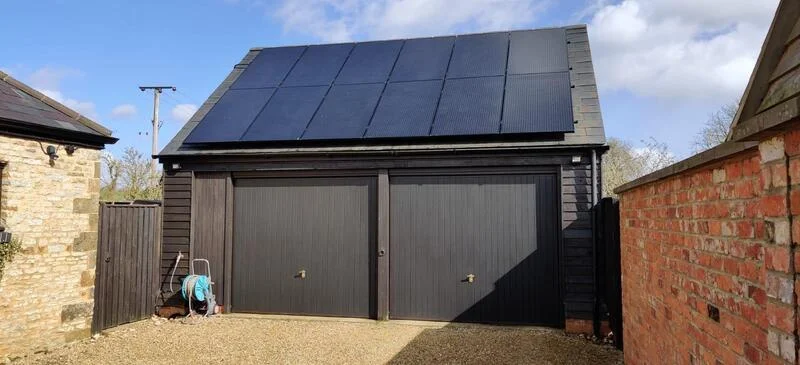
Solar panels do not need direct sunlight to function. They are designed to capture and utilise diffused light as well. Advances in solar technology have improved their ability to generate electricity even when the sun is obscured by clouds.
Impact of Shade
Even partial shading can affect the efficiency of solar panels. It’s important to install your panels in a location with minimal shading to maximise their performance. Trees, buildings, or other obstructions can cast shadows that reduce energy production.
How to Maximise Solar Panel Efficiency
To get the most out of your solar panel system, follow these tips:
Solar Panels and Direct Sunlight
In conclusion, while direct sunlight is ideal for solar panels, they are not dependent on it to produce electricity. Solar panels do not need direct sunlight to operate; they can still generate power from diffused light on cloudy days. By ensuring proper installation, performing regular maintenance, and choosing advanced solar technology, you can optimise your solar energy system and enjoy the benefits of renewable energy, no matter the weather.
If you’re thinking about installing solar panels or have questions about solar energy, contact All Solar Works today. Our team is here to help you understand your options and ensure you make the most of your solar investment.
Related articles




What type of property do you have?
Detached House
Semi Detached House
Terraced House
Flat or Apartment
Bungalow
At a glance
How Solar Panels Work
To understand whether solar panels need direct sunlight, let’s first look at how they operate. Solar panels are equipped with photovoltaic (PV) cells that convert sunlight into electrical energy. When sunlight hits these cells, it excites electrons and generates an electric current that powers your home or business.
Direct Sunlight vs. Diffused Light
Although direct sunlight is ideal for solar panels, they are not solely reliant on it. Solar panels can also produce electricity from diffused light. Diffused light is sunlight that has been scattered by clouds, dust, or atmospheric particles. This means that even on cloudy or overcast days, solar panels can still generate electricity, though the output may be reduced compared to direct sunlight.
Key Points About Solar Panel Efficiency
What type of property do you have?
Detached House
Semi Detached House
Terraced House
Flat or Apartment
Bungalow
It just takes 2 minutes
And then you can book a free consultation
Efficiency with Direct Sunlight
Direct sunlight provides the highest efficiency for solar panels. On sunny days, your solar panels can operate at peak performance due to the optimal exposure to sunlight.
Performance in Diffused Light
Solar panels do not need direct sunlight to function. They are designed to capture and utilise diffused light as well. Advances in solar technology have improved their ability to generate electricity even when the sun is obscured by clouds.
Impact of Shade
Even partial shading can affect the efficiency of solar panels. It’s important to install your panels in a location with minimal shading to maximise their performance. Trees, buildings, or other obstructions can cast shadows that reduce energy production.
How to Maximise Solar Panel Efficiency
To get the most out of your solar panel system, follow these tips:
Solar Panels and Direct Sunlight
In conclusion, while direct sunlight is ideal for solar panels, they are not dependent on it to produce electricity. Solar panels do not need direct sunlight to operate; they can still generate power from diffused light on cloudy days. By ensuring proper installation, performing regular maintenance, and choosing advanced solar technology, you can optimise your solar energy system and enjoy the benefits of renewable energy, no matter the weather.
If you’re thinking about installing solar panels or have questions about solar energy, contact All Solar Works today. Our team is here to help you understand your options and ensure you make the most of your solar investment.
Related articles
What type of property do you have?
Detached House
Semi Detached House
Terraced House
Flat or Apartment
Bungalow