Harnessing Domestic Solar Panels to Cut Energy Bills
Slash Your Energy Bills with Domestic Solar Panels in the UK With energy prices reaching all-time highs, UK homeowners are turning to solar power to take back control. Domestic solar panels generate clean electricity from the sun, reducing reliance on costly grid energy and unlocking long-term savings. This guide explores how home solar systems work,…

Why you can trust our content
We know that the solar industry is full of misinformation, but we only use reliable sources, including:




At a glance
Slash Your Energy Bills with Domestic Solar Panels in the UK
With energy prices reaching all-time highs, UK homeowners are turning to solar power to take back control. Domestic solar panels generate clean electricity from the sun, reducing reliance on costly grid energy and unlocking long-term savings. This guide explores how home solar systems work, how they impact your bills, and how to maximise financial returns through smart energy use and government support.
Why Are UK Households Paying So Much for Electricity?

UK energy bills have surged due to rising wholesale prices, increased grid demand, and inflation. Households using traditional electricity suppliers remain vulnerable to these fluctuations, often facing unexpected cost spikes during peak usage months. By investing in Solar Panel Installation Services, homeowners can access domestic solar panels that provide a fixed-cost, renewable energy source directly from their rooftop.
How Solar Panels Reduce Your Monthly Energy Costs
Generate Free Power from the Sun
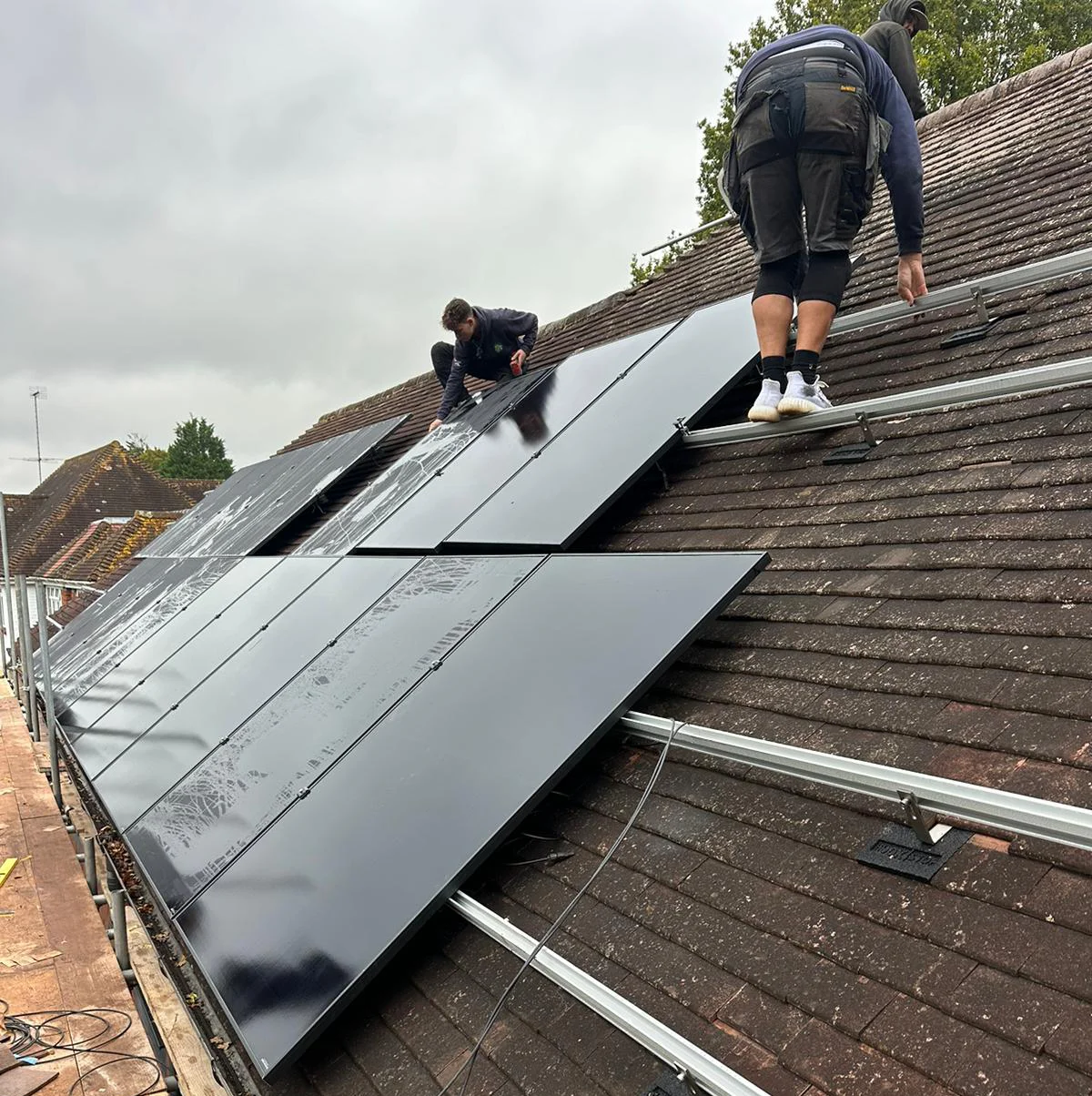
Photovoltaic (PV) panels convert sunlight into usable electricity. That energy powers your lights, appliances, and heating systems in real time—without pulling from the grid. On sunny days, you could power your home entirely with solar, drastically reducing your monthly bills.
Decrease Grid Reliance and Avoid Tariff Shocks
By producing your own energy, you reduce the need to buy from electricity providers. This shields you from unexpected tariff increases, especially during peak demand or winter months. Solar homes enjoy more predictable expenses and fewer billing surprises.
Offset High-Energy Appliances
Washing machines, dishwashers, and EV chargers consume a lot of power. When these are run during daylight hours, solar panels supply them with free energy—slashing daytime grid usage and reducing wear on utility infrastructure.
Unlock Extra Income with the Smart Export Guarantee (SEG)

Get Paid for Your Surplus Solar Energy
When your panels produce more electricity than you use, the excess is automatically sent back to the grid. Through the Smart Export Guarantee, energy suppliers pay you for this surplus—turning your roof into a mini power station.
Export Payments: How Much Can You Earn?
SEG rates vary between energy providers but typically range from 3p to 15p per kilowatt-hour. Payments are usually made quarterly, depending on your metering system. While SEG won’t replace your income, it significantly improves solar ROI.
Combine with Battery Storage for Greater Control
Home batteries store unused solar energy for use at night or during grid outages. This reduces dependency on high-rate evening tariffs and improves self-consumption—maximising your return.
Financial Advantages of Going Solar in 2025
Lock In Energy Prices for Decades
With solar, your generation cost is fixed. Once panels are installed, the sun’s energy is free—making you immune to inflation-driven spikes in fossil fuel and electricity prices.
Quick Payback with Long-Term Savings
Most domestic systems in the UK pay for themselves within 6 to 10 years. Over their 25–30 year lifespan, panels can save households £10,000–£30,000 depending on system size and energy usage.
Low Maintenance, High Reliability
Solar panels have no moving parts and require minimal upkeep—just occasional cleaning and an annual check. Inverter systems and batteries may need servicing every 5–10 years.
Tap into Government Incentives and Tax Benefits
0% VAT on Domestic Solar Installations
As of April 2022, the UK government applies zero VAT on qualifying residential solar panel systems and battery storage, reducing installation costs by up to 20%.
Access Local Green Energy Grants
Depending on your region, you may be eligible for local grants through schemes like ECO4 or council-funded programmes promoting carbon reduction and home efficiency.
Easier Financing and Green Loans
Many banks and lenders now offer low-interest green loans for solar panel installations. Combined with lower running costs, this makes solar more accessible than ever.
What type of property do you have?

Detached House

Semi Detached House

Terraced House

Flat or Apartment
Bungalow
It just takes 2 minutes
And then you can book a free consultation
Design a Solar Setup That Matches Your Home’s Needs
Consider Your Roof Orientation and Condition
South-facing roofs with minimal shading generate the most electricity. However, east-west aligned roofs still perform well. An MCS-certified installer will assess your property and recommend the best configuration.
Size the System Based on Your Usage
Installers will analyse your electricity bills to calculate how many panels you need. Too few panels may lead to continued grid reliance, while too many could result in surplus energy going unused.
Choose the Right Equipment for Maximum Return
Monocrystalline panels offer higher efficiency in smaller spaces. Pairing with an inverter system and optional battery storage ensures optimal performance throughout the year.
Boost Property Value and Sustainability Credentials
Attract Eco-Conscious Buyers
More UK buyers are prioritising sustainability. Homes with solar systems are more appealing due to reduced running costs and long-term value.
Increase Resale Value
A home with solar panels can command a 4–10% higher asking price depending on location and system quality. It’s seen as a future-ready upgrade.
Future-Proof Your Home for Energy Transition
As the UK shifts away from fossil fuels, solar-ready homes will align with upcoming energy policies, smart home integrations, and net-zero expectations.
Final Thoughts
Installing domestic solar panels isn’t just about cutting costs—it’s about securing long-term energy independence. By generating your own clean electricity, benefiting from export payments, and protecting yourself from market volatility, you create a more sustainable and financially stable household. Whether you’re in Crawley, Sussex, or beyond, All Solar Works provides trusted solutions that make solar an investment paying dividends for decades.
Related articles




What type of property do you have?
Detached House
Semi Detached House
Terraced House
Flat or Apartment
Bungalow
At a glance
Slash Your Energy Bills with Domestic Solar Panels in the UK
With energy prices reaching all-time highs, UK homeowners are turning to solar power to take back control. Domestic solar panels generate clean electricity from the sun, reducing reliance on costly grid energy and unlocking long-term savings. This guide explores how home solar systems work, how they impact your bills, and how to maximise financial returns through smart energy use and government support.
Why Are UK Households Paying So Much for Electricity?
UK energy bills have surged due to rising wholesale prices, increased grid demand, and inflation. Households using traditional electricity suppliers remain vulnerable to these fluctuations, often facing unexpected cost spikes during peak usage months. By investing in Solar Panel Installation Services, homeowners can access domestic solar panels that provide a fixed-cost, renewable energy source directly from their rooftop.
How Solar Panels Reduce Your Monthly Energy Costs
Generate Free Power from the Sun
Photovoltaic (PV) panels convert sunlight into usable electricity. That energy powers your lights, appliances, and heating systems in real time—without pulling from the grid. On sunny days, you could power your home entirely with solar, drastically reducing your monthly bills.
Decrease Grid Reliance and Avoid Tariff Shocks
By producing your own energy, you reduce the need to buy from electricity providers. This shields you from unexpected tariff increases, especially during peak demand or winter months. Solar homes enjoy more predictable expenses and fewer billing surprises.
Offset High-Energy Appliances
Washing machines, dishwashers, and EV chargers consume a lot of power. When these are run during daylight hours, solar panels supply them with free energy—slashing daytime grid usage and reducing wear on utility infrastructure.
Unlock Extra Income with the Smart Export Guarantee (SEG)
Get Paid for Your Surplus Solar Energy
When your panels produce more electricity than you use, the excess is automatically sent back to the grid. Through the Smart Export Guarantee, energy suppliers pay you for this surplus—turning your roof into a mini power station.
Export Payments: How Much Can You Earn?
SEG rates vary between energy providers but typically range from 3p to 15p per kilowatt-hour. Payments are usually made quarterly, depending on your metering system. While SEG won’t replace your income, it significantly improves solar ROI.
Combine with Battery Storage for Greater Control
Home batteries store unused solar energy for use at night or during grid outages. This reduces dependency on high-rate evening tariffs and improves self-consumption—maximising your return.
Financial Advantages of Going Solar in 2025
Lock In Energy Prices for Decades
With solar, your generation cost is fixed. Once panels are installed, the sun’s energy is free—making you immune to inflation-driven spikes in fossil fuel and electricity prices.
Quick Payback with Long-Term Savings
Most domestic systems in the UK pay for themselves within 6 to 10 years. Over their 25–30 year lifespan, panels can save households £10,000–£30,000 depending on system size and energy usage.
Low Maintenance, High Reliability
Solar panels have no moving parts and require minimal upkeep—just occasional cleaning and an annual check. Inverter systems and batteries may need servicing every 5–10 years.
Tap into Government Incentives and Tax Benefits
0% VAT on Domestic Solar Installations
As of April 2022, the UK government applies zero VAT on qualifying residential solar panel systems and battery storage, reducing installation costs by up to 20%.
Access Local Green Energy Grants
Depending on your region, you may be eligible for local grants through schemes like ECO4 or council-funded programmes promoting carbon reduction and home efficiency.
Easier Financing and Green Loans
Many banks and lenders now offer low-interest green loans for solar panel installations. Combined with lower running costs, this makes solar more accessible than ever.
What type of property do you have?
Detached House
Semi Detached House
Terraced House
Flat or Apartment
Bungalow
It just takes 2 minutes
And then you can book a free consultation
Design a Solar Setup That Matches Your Home’s Needs
Consider Your Roof Orientation and Condition
South-facing roofs with minimal shading generate the most electricity. However, east-west aligned roofs still perform well. An MCS-certified installer will assess your property and recommend the best configuration.
Size the System Based on Your Usage
Installers will analyse your electricity bills to calculate how many panels you need. Too few panels may lead to continued grid reliance, while too many could result in surplus energy going unused.
Choose the Right Equipment for Maximum Return
Monocrystalline panels offer higher efficiency in smaller spaces. Pairing with an inverter system and optional battery storage ensures optimal performance throughout the year.
Boost Property Value and Sustainability Credentials
Attract Eco-Conscious Buyers
More UK buyers are prioritising sustainability. Homes with solar systems are more appealing due to reduced running costs and long-term value.
Increase Resale Value
A home with solar panels can command a 4–10% higher asking price depending on location and system quality. It’s seen as a future-ready upgrade.
Future-Proof Your Home for Energy Transition
As the UK shifts away from fossil fuels, solar-ready homes will align with upcoming energy policies, smart home integrations, and net-zero expectations.
Final Thoughts
Installing domestic solar panels isn’t just about cutting costs—it’s about securing long-term energy independence. By generating your own clean electricity, benefiting from export payments, and protecting yourself from market volatility, you create a more sustainable and financially stable household. Whether you’re in Crawley, Sussex, or beyond, All Solar Works provides trusted solutions that make solar an investment paying dividends for decades.
Related articles
What type of property do you have?
Detached House
Semi Detached House
Terraced House
Flat or Apartment
Bungalow